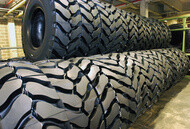
Background em tyre storage Help and Advice
tire stock
Earthmover tyre storage recommendations
Proper storage of earthmover tyres is essential for maximising their lifespan and ensuring optimal performance. The life of a tyre can be significantly impacted by its storage, as various environmental factors can lead to deterioration of certain components, such as the rubber. This article will outline key recommendations for earthmover tyre storage, focusing on best practices and conditions that help extend tyre life and enhance the efficiency of heavy machinery.
What is the correct way to store earthmover tyres?
Tyres are constructed primarily from rubber, a material that is inherently sensitive to various environmental conditions. The way earthmover tyres are stored and utilised has a significant impact on their overall performance, lifespan, and durability.
Therefore, it is essential to manage both the storage conditions and the operational environment to ensure that tyres maintain their optimal qualities and perform effectively throughout their service life.
Find 4 main recommendations to store your earthmover tyre in the right way:
Protection from Sunlight and Weather
The stored tyres must be in a well-ventilated space and shielded from direct sunlight and adverse weather conditions. Prolonged exposure to UV rays can lead to cracking and degradation of the rubber, while moisture from rain or humidity can encourage mold or mildew growth.
Avoiding Chemical Exposure
It is also critical to keep tyres away from any chemical substances, such as solvents or hydrocarbons, as these can adversely affect the rubber’s composition and lead to premature deterioration.
Protecting Tyres from Sharp Objects
It is essential to store tyres away from any objects that could potentially penetrate the rubber, such as sharp metal, wood or other jagged materials. Even minor punctures or cuts can severely compromise the structural integrity of a tyre, leading to leaks or failures when the tyre is eventually put into service. Sharp objects can cause damage that may not be immediately visible, but which can result in significant safety hazards and reduced performance during operation.
Maintaining Distance from Heat Sources
Additionally, tyres should be placed away from sources of heat, flames, or incandescent objects. It is important to ensure that they are not located near materials that may produce sparks or electrical discharges, as these may pose a fire hazard. Finally, storing tyres away from ozone-producing devices, such as transformers, electric motors and soldering equipment, is crucial, as ozone can contribute to rubber aging.
Where is the best place to store earthmover tyres?
The best place to store earthmover tyres is in a controlled indoor environment that provides optimal conditions for their preservation. Ideally, a dedicated storage facility should offer ample space, ensuring that tyres can be stored upright or stacked safely without risk of deformation. The area should be well-ventilated to prevent moisture buildup, which can lead to mold or mildew and should maintain a consistent, moderate temperature to avoid the extremes that could compromise the rubber.
Moreover, as mentionned in the previous section, the storage site should be located away from direct sunlight and harsh weather elements. This means positioning the storage facility in a shaded area or using protective covers when outdoor storage is unavoidable. Furthermore, the space should be free from potentially damaging objects, such as sharp tools, metal scraps or chemical substances that could adversely affect the tyres.
Finally, implementing clear signage and organisation practices within the storage area can help keep tyres correctly labeled and easily accessible while preventing unnecessary risks. Overall, a clean, dry, and well-maintained environment is paramount for ensuring the longevity and effectiveness of earthmover tyres.
What are the guidelines for handling earthmover tyres?
Proper handling of earthmover tyres is crucial to prevent irreparable damage, particularly to the bead area, which is susceptible to harm if not handled carefully. Ensuring that tyres are managed correctly can save costs and enhance safety during operation. To eliminate the risk of bead damage and the associated complications, the following best practices are strongly advised:
- Avoid Lifting by the Bead: Tyres should never be lifted directly by the bead using a crane hook, as this can easily deform or damage the bead. Instead, the use of non-invasive lifting methods is essential to maintain the tyre's integrity.
- Use of Flat Straps: When lifting tyres, it is preferable to use flat straps rather than steel slings or chains. Flat straps distribute the weight evenly and reduce the risk of concentrated pressure points that can cause to damage.
- Correct Forklift Handling: If you are using a telescopic forklift, it is essential to lift the tyre from underneath the tread rather than from the beads. This practice minimises the risk of causing stress or damage to the bead area and ensures a safer lifting operation.
In addition to following to these handling procedures, operators must prioritise safety by following specific guidelines during tyre and accessory management:
- Protective Gear: Operators should wear appropriate protective clothing, which may include gloves, steel-toed boots and safety glasses to mitigate the risk of injury during handling.
- Safety Policies Compliance: All staff concerned in tyre handling must comply with the safety policies established by the company . This includes being aware of emergency procedures and proper communication protocols.
- Appropriate Equipment: It is essential to use suitable materials and equipment specifically designed for tyre handling. Utilising the right tools can prevent damage and enhance operational efficiency.
- Avoid Harmful Tools: Operators must refrain from using any tools or equipment that could damage the tyres. This includes any sharp or abrasive tools that could cut or degrade the tyre material.
To summarise
Proper storage of earthmover tyres is essential for maximising their lifespan and performance. Key recommendations include protecting tyres from sunlight and adverse weather, avoiding chemical exposure and ensuring they are stored away from sharp objects and heat sources. Safe handling practices, such as using appropriate lifting techniques and equipment can help prevent further damage. By following these guidelines, operators can enhance safety and efficiency, ensuring reliable performance from their earthmover tyres.
To learn more about the maintenance and use of earthmover equipment, feel free to download our e-book, "Earthmover Use and Maintenance Guide".
Other Frequently Asked Questions around earthmover tyre storage
Regulations may vary depending on location and industry. It is therefore important to consult local authorities to understand the specific limits applicable to the area where the tyres will be stored.
The cost of earthmover tyre storage can vary significantly based on several factors, including:
-
Storage Method (indoor/outdoor)
-
Location (geographical area)
-
Quantity of Tyres
-
Duration of storage
Earthmover tyres can typically remain in storage for up to five years without significant degradation when stored under optimal conditions.
Other articles to find out more:
Need more advice? Discover all MICHELIN earthmover tyre tips


