Tyres influence every major performance driver in transport operations: safety, fuel consumption, uptime, TCO, CO₂ emissions and compliance.
This is why fleets choose to outsource tyre management to Michelin, ensuring tyres are managed consistently and predictively across their entire lifecycle.
Michelin brings together premium tyres, expert services, digital tools, and predictive maintenance to help fleets improve safety, reduce costs and boost productivity, while freeing fleets to focus on their core business.
Frequently Asked questions (FAQs) - Tyre management solutions
Michelin experts answer your questions.
Get an answer to your question
It’s a complete delegation of your tyre lifecycle to Michelin: forecasting, purchasing, stock & damaged‑tyre management, inspections, multi‑life operations (regrooving/retreading), digital tools, predictive maintenance and reporting, run under clear processes, audits and one accountable partner.
P&S (Product & Service): tyres + services with contractual service schedules and price grids.
PPK (price‑per‑km): Michelin leads forecasting, stock, damaged‑tyre management, predictive maintenance and reporting; billing linked to km, with harmonised processes & KPIs.
Through standardised operating processes, audits of service providers, and dedicated roles (fleet auditor, service consultant, regional operations managers) ensuring consistent execution and KPI follow‑up.
Yes: the model is designed to coordinate your workshops or Michelin‑approved providers; data and reports flow through Michelin’s customer portal and digital tools to align with your governance.
Why choose Michelin tyre management solutions?
A global leader in tyre intelligence
130+ years of mobility and engineering expertise
Trusted by tens of thousands of professional fleets worldwide
Michelin combines deep tyre engineering knowledge with advanced connected technologies to help fleets operate safely, efficiently and sustainably across all environments.
Related Articles
-
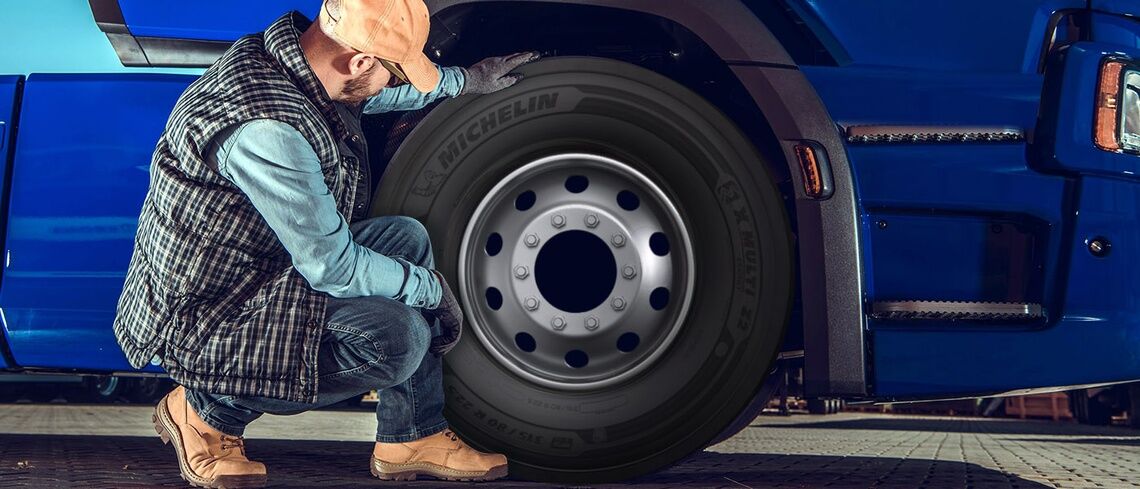
When and how to check your truck tyre pressure?
Tyres are the only point of contact between the vehicle and the road, making their condition vital for your operations. Maintaining the correct truck tyre pressure is therefore critical to keeping your fleet running safely and efficiently. Here's some good advice from our experts.Learn more -

What will reduce fuel consumption for trucks?
As a fleet manager, you know that reducing fuel consumption is one of the biggest challenges in managing your trucks. Rising energy prices and increasing environmental concerns make it more important than ever to identify ways to optimise fuel efficiency. There is one underestimated yet crucial element that directly impacts your trucks’ fuel use: rolling resistance. Let’s explore how this works and how you can take control of it to reduce costs and emissions.Learn more -

How to choose truck tyres for freight transport
When it comes to freight transport, the choice of truck tyres is a decision that can impact on operational efficiency, safety and environmental sustainability. With inflation and increased regulatory pressures, a transport company is faced with a strategic choice that we propose to make easier. Here are the essential criteria for choosing truck tyres tailored to the specific needs of freight transport.Learn more -

How correct truck wheel alignment can reduce costs?
Truck wheel alignment is a crucial, but often overlooked, aspect of vehicle maintenance. Poor alignment not only affects the driving experience, it also has significant financial repercussions. In this article, we'll look at how proper wheel alignment can help reduce maintenance costs while improving safety and efficiency.Learn more -
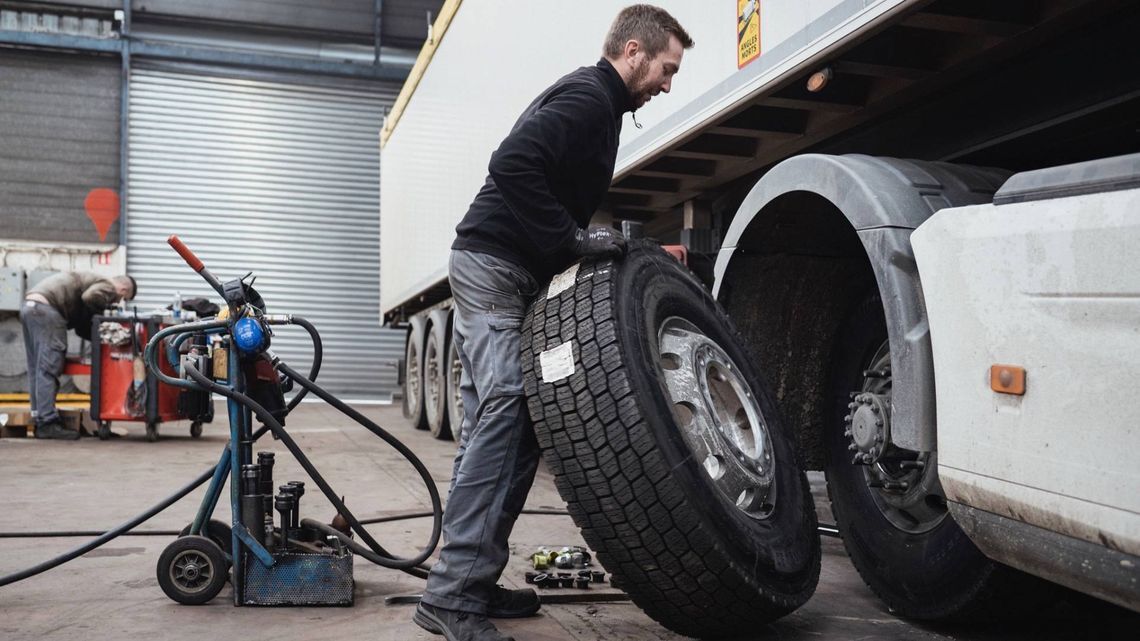
Truck tyre rotation: the answers to your questions
Numerous factors like load distribution, alignment and usage conditions can lead to uneven tyre damage, causing accelerated wear on certain tyres. Proactive fleet owners should regularly inspect tyres for early signs of uneven wear, such as abnormal engine behavior (i.e. noise or vibrations). Tyre rotation and turning tyres on the rim to help fleet owners and drivers maximise the lifespan of their tyres, and at the same time, save money and enhance truck safety. Discover the expert insights, on why these maintenance practices are essential, how to perform them and how often! Follow our advice to avoid costly and time-consuming repairs!Learn more -

Truck Tyre Replacement: proper and efficient practices
The driver of one of your trucks notices that a tyre has a puncture or is in poor condition. He stops his vehicle in a safe place and calls for professional assistance. What happens during the breakdown service? What are the regulations on tyre replacement? What are our recommendations to ensure that transport can resume smoothly? Find the answers in our article.Learn more -
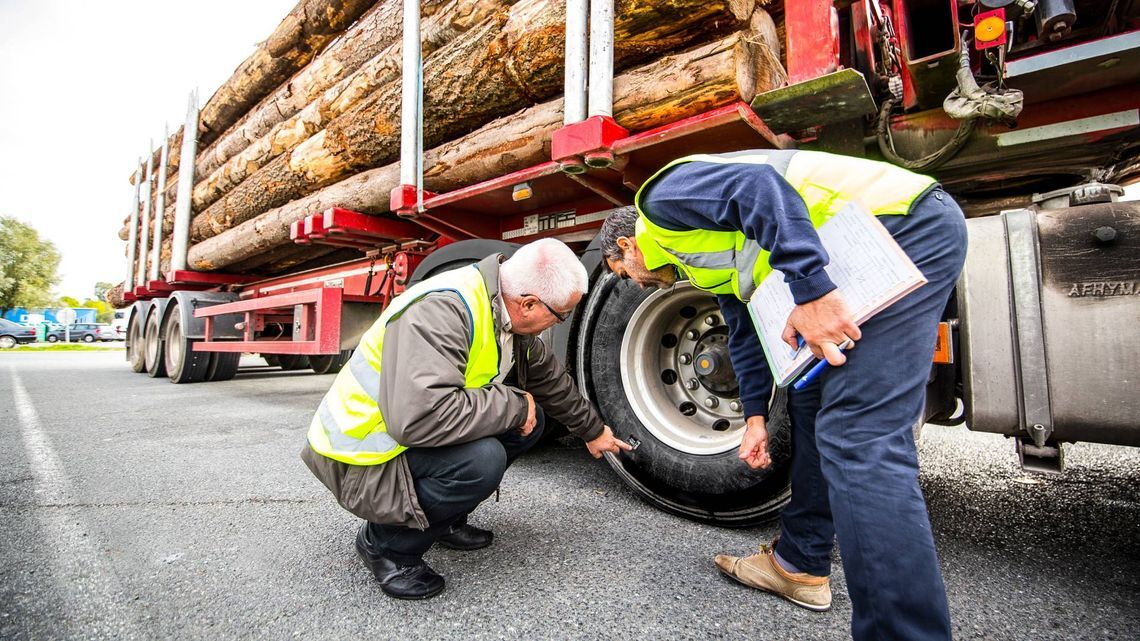
Truck tyre repair and damage prevention
In the transport sector, where trucks cover long distances with heavy loads, tyres play a crucial role in terms of performance, safety and cost optimisation. But tyre damage can occur and compromise this. What warning signs can you spot? Can a tyre always be repaired? What preventive measures should you take? Find all the answers in our article.Learn more -
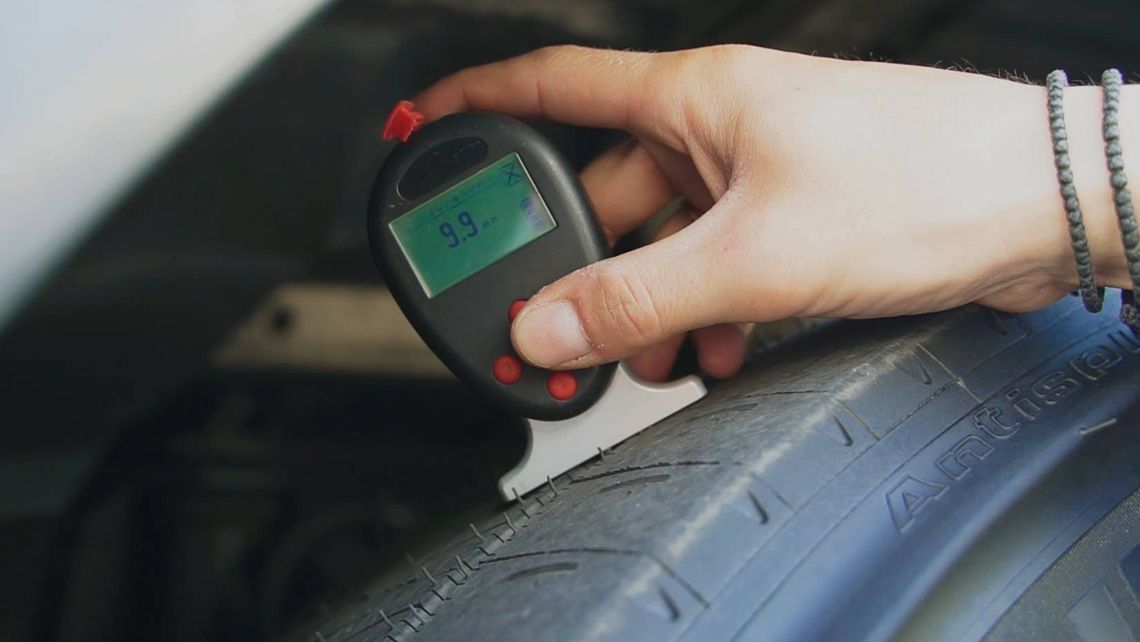
How to optimise HGV tyre tread depth?
The safety of your HGVs relies heavily on the condition of their tyres, particularly the depth of their tread. This parameter is much more than just a question of performance; it is a legal requirement that you must strictly follow to guarantee both the safety and regulatory compliance of your operations.Learn more