
Light commercial vehicle tyre maintenance
How to optimise commercial van tyre maintenance?
Van tyre maintenance is an important factor when it comes to your fleet of light commercial vehicles. It not only improves safety, reliability and the technical condition of your vans, but it can benefit your bottom line if managed in the right way. What are the best ways to optimise light commercial vehicle tyre maintenance? Here's the best advice from our experts.
SUMMARY:
Whether your light commercial vehicle is used for deliveries, by tradespeople or any number of other services, as an ambulance or shuttle taxi, the chances are that your tyres are working in tough conditions on a daily basis.
Tight roads, impacts and shocks, kerbside parking, rough terrain, stop-and-go driving ౼ commercial van tyres often have a harder life than most other types of tyre rolling on clear, open roads. So, let's see how you can optimise tyre maintenance to extend their life.
1. Choose the right tyres for your commercial van fleet
Before moving on to tyre maintenance, it's key to stress the decisive aspect of tyre choice at the time of purchase.
First you need the correct load capacity and dimension to work properly with your vehicle and comply with regulations. That means that the tyre needs to be ready to carry the right load, be fitted to the correct wheel in good condition, and be the right size for the vehicle.
Damage resistance is also a key indicator, as are whole life costs and on road performance ౼ so keep an eye out for robust sidewall protection, effective tread patterns, all-season performance, low rolling resistance and good wet and dry grip. You need to apply the same logic to tyre choice as you do to vehicle choice
Ask yourself, what will it be used for? Where will it be driven? What will it carry and when? Once you’ve answered those questions, choose your tyre accordingly.
TIP :
Rolling resistance can impact your fuel consumption and wet grip.
This information is visible on the tyre label making it easier to choose wisely.
2. Monitor LCV tyres regularly
Maximising uptime is a major challenge for van fleets ౼ after all, downtime very quickly translates into loss of revenue.
Busy drivers and owners tend to forego regular checks in favour of speedy deliveries. But taking the time to spot problems early on can yield substantial gains.
For example, a stone or nail forced into your tyre, unchecked, can eventually cause a loss of pressure leading to a roadside breakdown or even an incident whilst driving. Not only might you incur emergency repair costs, but you might lose a load of frozen food or miss an urgent delivery.
wave5 tyre maintenance img2
Instead our experts recommend daily visual checks to verify the condition of all four tyres, and weekly physical tyre pressure checks.
The importance of LCV tyre pressure
Maintaining the correct tyre pressure is crucial, as under-inflated tyres not only wear out faster but also pose a serious safety risk due to reduced grip, especially in wet conditions. By regularly checking the pressure, particularly when the tyres are cold, you ensure the accuracy of your readings and improve both vehicle safety and tyre longevity.
Use the inflation pressures prescribed by the commercial van manufacturer for the loads you carry and check tyre pressures with a good quality pressure gauge when the tyres are cold to make sure that the pressures you set are accurate.
The importance of regular checks
Regular visual inspections at the end of each day help identify any potential damage, such as cuts or scrapes, that could lead to more significant issues if left unaddressed. If a visual issue is spotted, addressing it quickly can prevent a costly breakdown later.
Regular checks mean that you build a picture of what is normal for your vehicle. If anything changes, you can spot it quickly and act before it develops into an emergency. The five minutes you spend doing this each day could save time and money in the long run!
TIP :
Check tyre pressure when the tyres are cold, ideally before starting a journey. In addition, a visual inspection at the end of the day is recommended, especially if the vehicle has encountered any issues during the drive. This allows time to address any necessary repairs overnight, ensuring the van is ready to hit the road the next morning without delays.

Delivery with light commercial vehicle
3. Keep a spare on hand
If you prefer not to carry a spare tyre in your vehicles to maximise payload, keeping spare tyres in the depot provides a backup solution. If you plan to store spares in the depot, be sure to check their pressures regularly ౼ at least once a week as tyres will slowly lose pressure over time ౼ and store tyres in a clean, dry and cool environment to avoid damage.
TIP :
If you choose to run without a spare, it is all the more important to keep up with regular vehicle checks.
4. Change your van tyres the right way
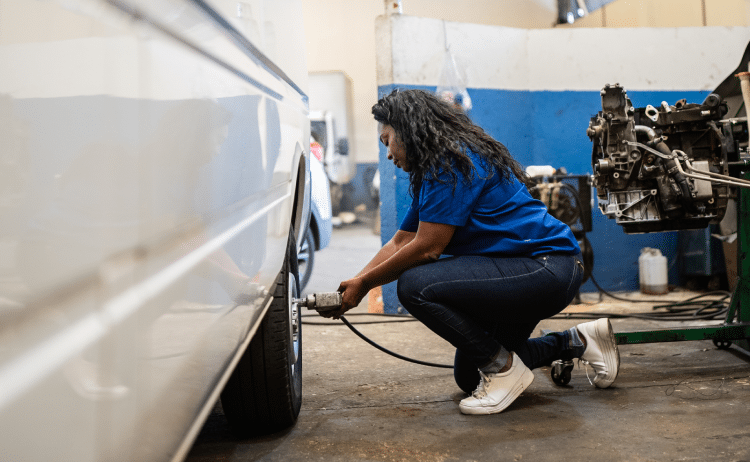
When changing tyres, it's essential to prioritise vehicle stability and safety.
To this end, since front and rear tyres wear at different rates, new tyres should always be fitted to the rear and worn rear tyres moved to the front. This reduces the risk of skidding, which occurs when the rear tyres lose grip and can lead to dangerous loss of control.
It also keeps the average age of tyres on your vehicle lower and makes sure you get all the value out of the tyres before changing.
TIP :
When moving tyres from one axle to another, pressures should always be adjusted to suit the new positions.
5. Use a vehicle maintenance tool
Michelin provides vehicle maintenance tools to help you define a well-planned maintenance schedule, based on both your vehicles’ life cycles and the real time information they provide, which can help you reduce major breakdowns, saving you the cost of expensive repairs and unscheduled downtime.
Need more advice? Discover our Light commercial vehicle guide


