When do forklift truck tyres need replacing?
The tyre wear can differ based on the tyre technology, model and manufacturer. Generally, pneumatic tyre (radial and bias) should maintain at least 1 mm of the original tread pattern across the central three-fourths (3/4) of the tread around the entire circumference.
It may seem complex at first, but rest assured that we're here to support you. If you have any questions or need further assistance, please don't hesitate to contact us.
To help you with your analysis, we propose three fundamental elements to consider:
1. Visible damage
Visible damage is often the first warning signal. It is why it is important to inspect tyres regularly for:
Cuts, gouges, punctures, or chunking on the tread and sidewalls.
Cracks, weather checking, bulges, flat spots, or distortions.
Material separation or irregular wear patterns.
Corrosion, deformation, or cracks at the rim, bead seat, or mounting surfaces.
If any of these signs appear, isolate the forklift and have the tyre assessed by a qualified professional. Structural damage can affect stability and load handling.
2. Tread Wear indicators
Some forklift tyres include tread wear indicators (TWI) or reference marks for tread depth.
Key points:
When wear bars are flush with the tread surface, plan replacement.
Asymmetric wear may indicate alignment issues, unsuitable pressure (for pneumatic types), or operating practices that need adjustment.
A smooth or largely featureless tread can reduce traction, especially on smooth, wet, or oily floors.
Follow the tyre and forklift manufacturers’ recommendations for wear limits applicable to your models.
3. Performance issues
Operational symptoms can indicate tyre issues even without obvious visual defects:
Unusual vibration, hopping, or noise while driving or lifting.
Reduced steering precision, pull to one side, or wider turning radius than expected.
Perceived increase in stopping distance or reduced grip on specific surfaces.
Heat build-up at the tyre or noticeable rubber odor.
Increased operator fatigue due to harsh ride or wandering.
Include a check of the running gear, pressure (for pneumatic tyres), load practices, and site conditions (floor texture, ramps, debris) as part of the diagnosis.
What are the step for forklift tyre replacement process?
Safety notice: Forklift tyre changes involve risk. Perform the task with trained personnel, appropriate equipment, and in accordance with the forklift and tyre manufacturers’ instructions.
The main step during the forklift tyre change process will be the following:
Prepare the area
Lift and secure
Remove the wheel and the tyre
Inspect components
Install the new tyre
Final checks
Installing new tyres: find the right fitting tyre
It is important to choose the right tyre for your application. Discover some criteria to consider in your selection:
Environment and flooring: indoor/outdoor, smooth or abrasive surfaces, wet/oily areas, ramps, thresholds, and debris.
Tyre type
Technology: solid resilient, solid press-on, pneumatic (radial, bias)
Compound: non-marking, black
Load Capacity and weight considerations
Machine compatibility: exact dimensions (diameter, width, rim), load and speed ratings per the forklift machine manufacturer.
Frequently asked question
Michelin expert answer your questions
Get an answer to your question
Service life depends on multiple factors, including load, floor conditions, driving style, tyre type (solid vs., pneumatic), maintenance practices (pressure, rotation, alignment), and environment. Set up periodic visual inspections and apply the wear limits defined by manufacturers and internal policy. If unsure, schedule a professional evaluation.
Removal varies by type of tyre (press-on, resilient, pneumatic tyres, ...) and must be carried out by a professional. Always work on a stable, level surface, chock the vehicle, and follow both the forklift and tyre manuals.
To repair your forklift tyres, you can use your company’s approved maintenance providers, authorized industrial tyre dealers, or specialized on-site service firms.
Pricing depends on several factors, including tyre specifications (size, technology, compound, tread type, ...), operational environment, etc. To obtain an accurate figure, request a quote or visit your nearest dealer.
Other articles to find out more:
-
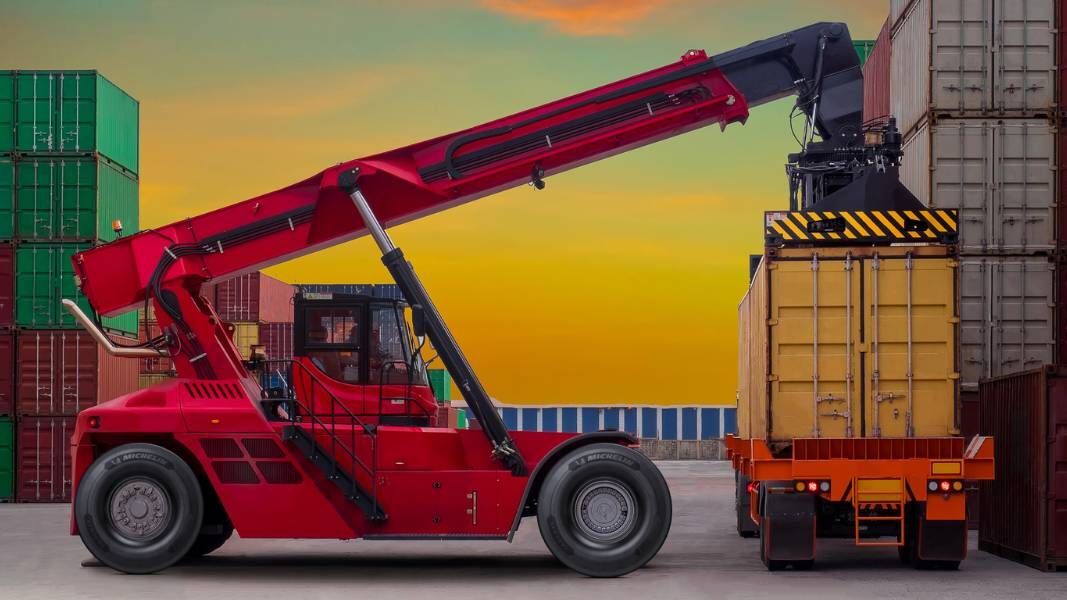
Boost your productivity with the Michelin X Stacker 3 HD tyre: A must-have for reach stackers
To ensure the smooth flow of goods through port, specific equipment is required. This includes reach stackers, responsible for moving containers in confined spaces. These vehicles transport heavy loads over long distances and long periods. Their quick maneuvers and tight turns put considerable stress on tyres, resulting in severe and irregular tread wear. This can lead to reduced operational efficiency, additional maintenance, and increased costs. Over the past few years, Michelin's port tyre experts have worked continuously to innovate and develop a product dedicated to answering the needs of reach stackers. To gain insight into the issue of uneven wear, the mechanics related to it, and the use of reach stackers, we discussed with Boris Piol, Michelin Industrial Tyres Product Manager.Learn more -
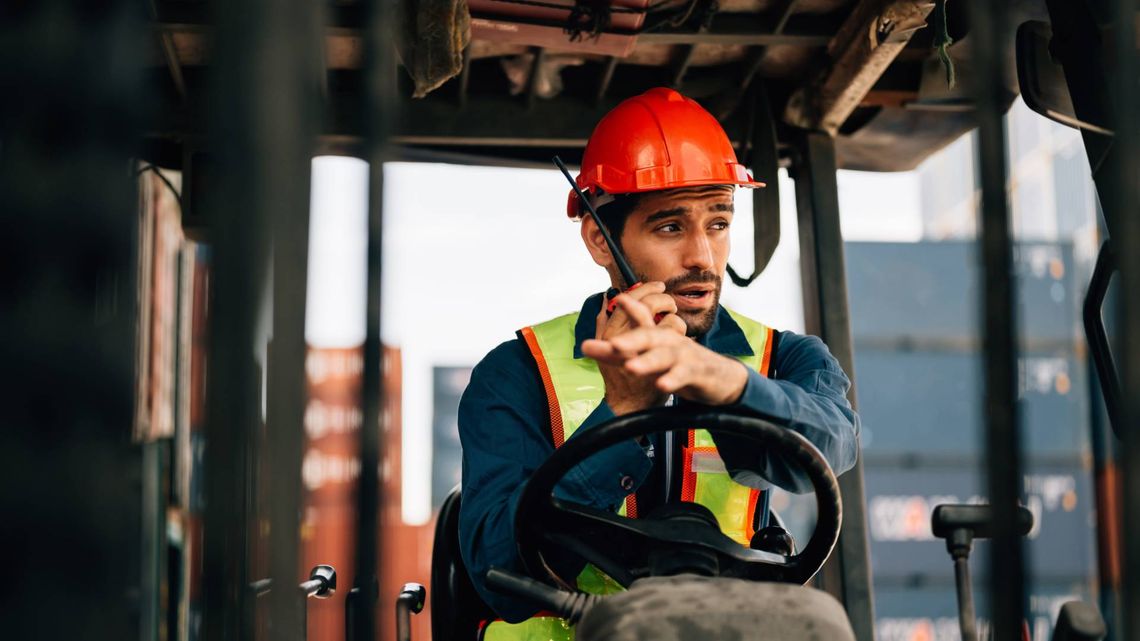
How to choose the right forklift tyre?
Selecting the correct forklift tyre directly impacts your operation's safety, efficiency, productivity, and uptime. Different working environments require specific tyre types. Moreover, understanding your load requirements, operating conditions, and tyre specifications ensures optimal performance while reducing downtime, maintenance costs, and fuel consumption. Want to know more? Check out the guide below for essential information and helpful insights.Learn more