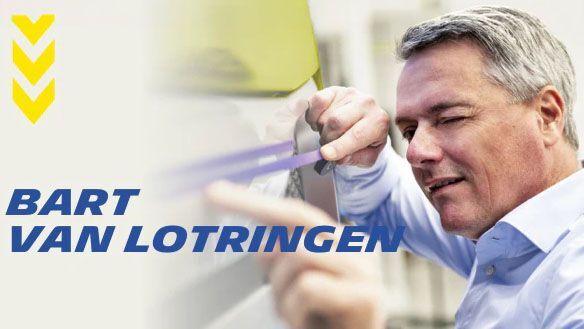
For decades “cabin design has remained largely-similar for the simple reason that legislation restricts the overall dimensions of a truck”, according to Bart Van Lotringen, DAF’s Director of Design. Truck drivers need to drive, work, relax and sleep in a space smaller than a student’s studio apartment ౼ often for days on end.
Recent regulations, however, have opened the door to breakthrough design. “Regulations have significantly altered, and created a paradigm shift,” he says. “The loading length is still restricted to 13.5 m, but the overall length of the truck is now left open as long as the turning circle meets the usual standard. Designers can choose how long to make the cabin, with the condition that any extension must improve aerodynamics and fuel efficiency, safety and driver comfort”. With this new design freedom, Van Lotringen and his team literally went back to the drawing board, designing a new cabin from scratch: DAF’s New Generation trucks.
Safety first
“We set out to eliminate the strains of driving,” says Van Lotringen.
"Our philosophy is: Hands on the wheel and eyes on the road. That’s why we started with a best-in-class intuitive Human Machine Interface: all important driving control buttons are directly on the steering wheel – or logically positioned on the stalks. No touch screens. Physical buttons. Just like the drivers want to have it, as they stated during the extensive sounding boards we organised. In addition, we added unprecedented visibility with no less than 33% larger windscreens ; unseen in the industry! We wanted to maximise direct vision ౼ the more you can see and the more eye contact you can have with others on the road, the better you can interact and avoid accidents.”
For a perfect driving environment, Van Lotringen focused on improving ergonomics, specifically the adjustability of seats and steering wheel to encourage optimal driving posture with perfect view of the instruments.
The driver needs to be in control and feel in command, which gives an alert state of mind and less strain by providing information only when you need it.
“While we created a complete new driving experience, it was equally important to improve the resting and sleeping environment,” recognises Van Lotringen. “All functions need to work together in a very efficient way so the driver doesn’t have to constantly reorganise the interior to go from one function to another.”
The functions need to be in perfect symbiosis
The comforts of home
Other significant interior changes have been made in the driving, resting and sleeping areas of the cabin. “Driving position, spaciousness and comfort are among the highest valued comfort properties you can offer,” explains Van Lotringen. The driver and passenger chairs in the New Generation cabin can optionally swivel to face inwards, and combined with ample horizontal surfaces they offer great working and relaxing spaces. Pull out storage bins were added to provide a place for personal items and the passenger seat folds down into a bedside table. “It’s a new era of driver comfort.”
A nod to sustainable mobility
Many of the comfort and safety elements also contribute to fuel efficiency and aerodynamics. First, replacing side view mirrors with cameras reduces drag and lowers fuel consumption. The tapered cabin shape also delivers exceptional fuel and aerodynamic efficiency. While there is an unmistakable shift towards design characteristics that favor sustainability, Van Lotringen presumes the industry-wide adoption of alternative energy solutions will take some time. “First decade will be a transition period ౼ which we’re currently in ౼ mixing electric or hydrogen vehicles with combustion engines. Once we have solely electric, hydrogen or another driveline, certain cabin design architecture might be revised.”
7 iconic cabins
Related products
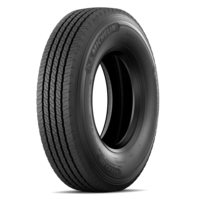
Michelin X MULTI Z
Safety, mobility and road-holding for your light truck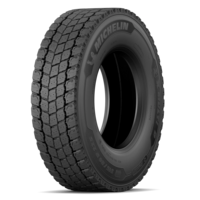
Michelin X MULTI D
Safety, mobility and road-holding for your light truck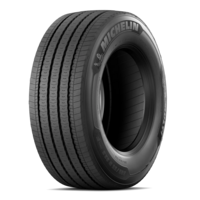
Michelin X MULTI F
Versatility and longevity in all climatic conditions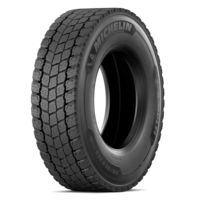
Michelin X MULTI D
Versatility and longevity in all climatic conditions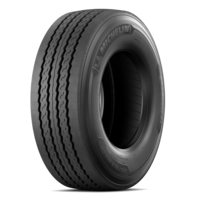
Michelin X MULTI T
Versatility and longevity in all climatic conditions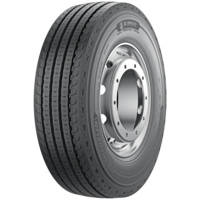
Michelin X MULTI Z
Safety, mobility and road-holding for your light truck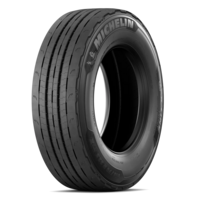
Michelin X LINE ENERGY Z2
The latest rolling resistance technology for your truck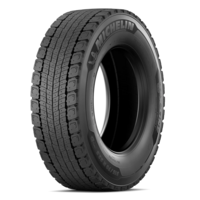
Michelin X LINE ENERGY D2
The latest rolling resistance technology for your truck


Subscribe to our podcast
*Interview by Bart Van Lotringen on 7 september 2021
Listen to our Trick'n truck podcast#3