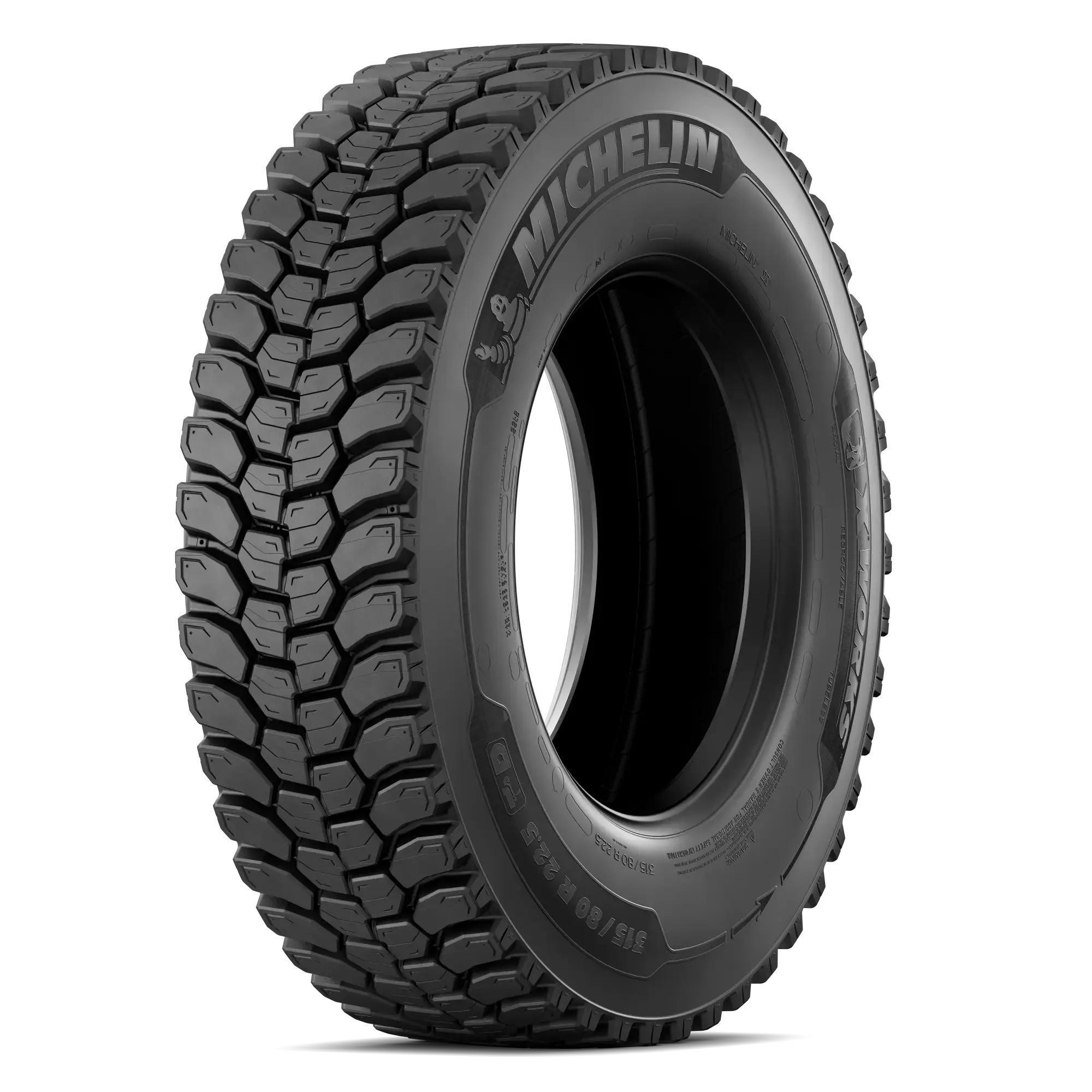
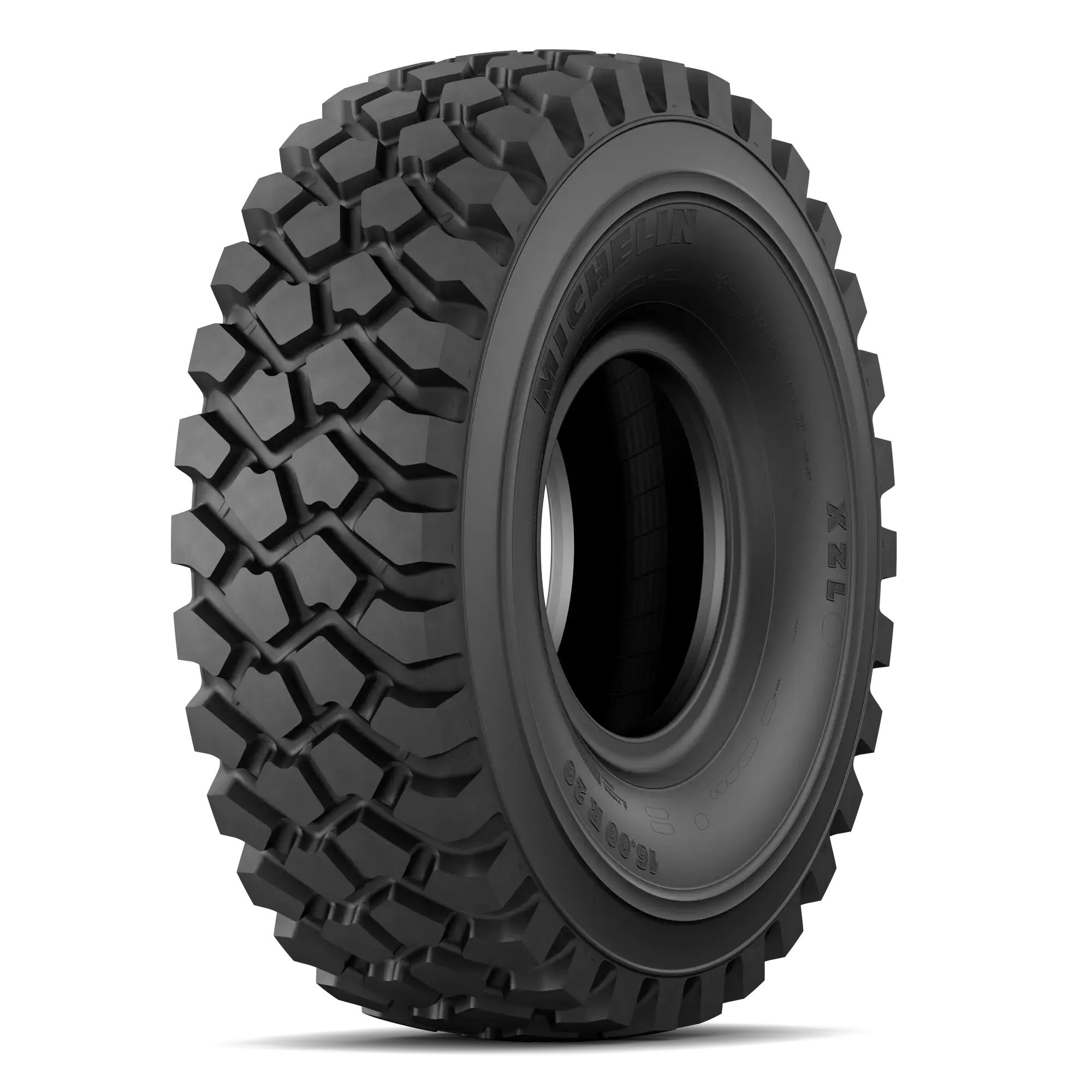
- A reliable and modern range for worksite access
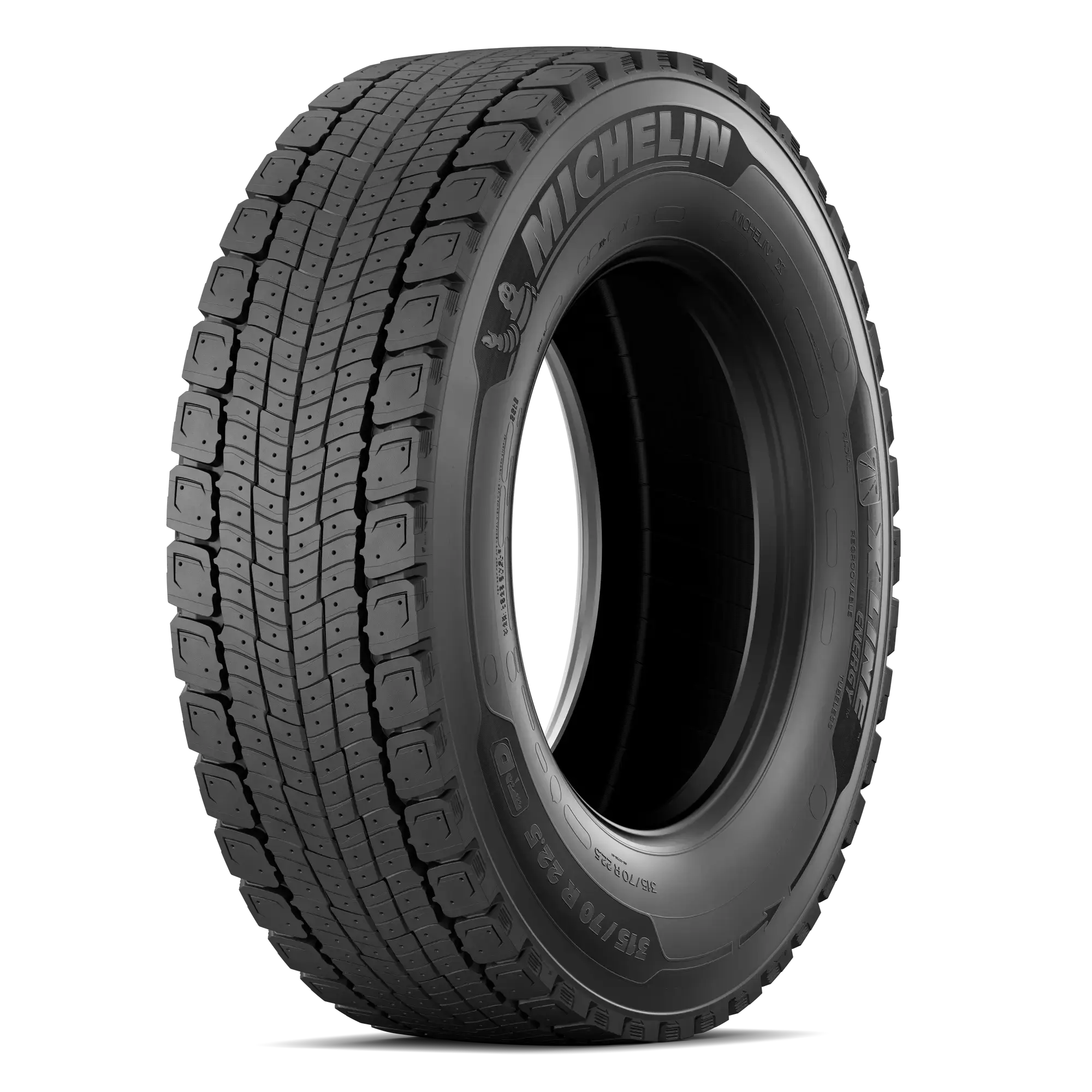
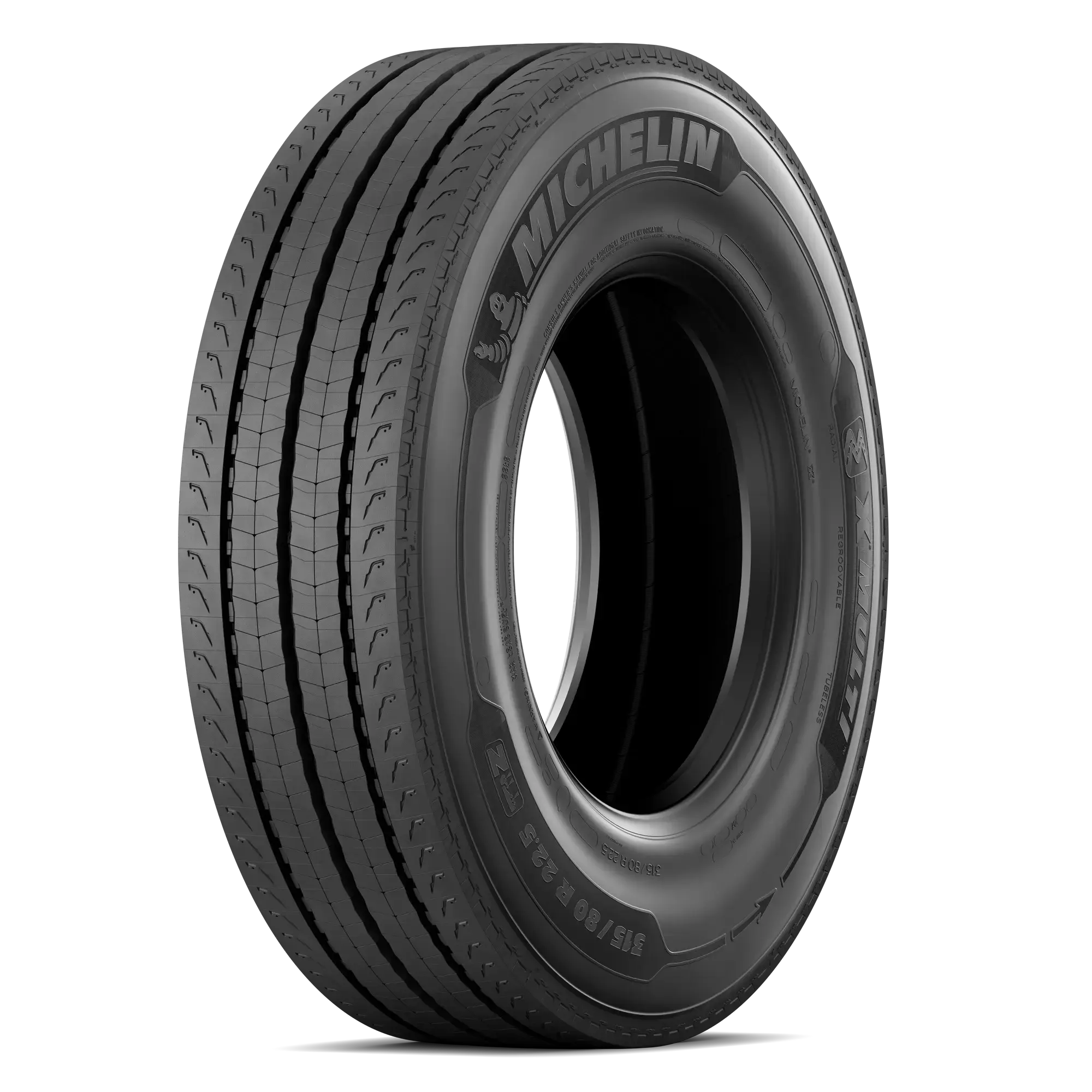
- The latest rolling resistance technology for your truck
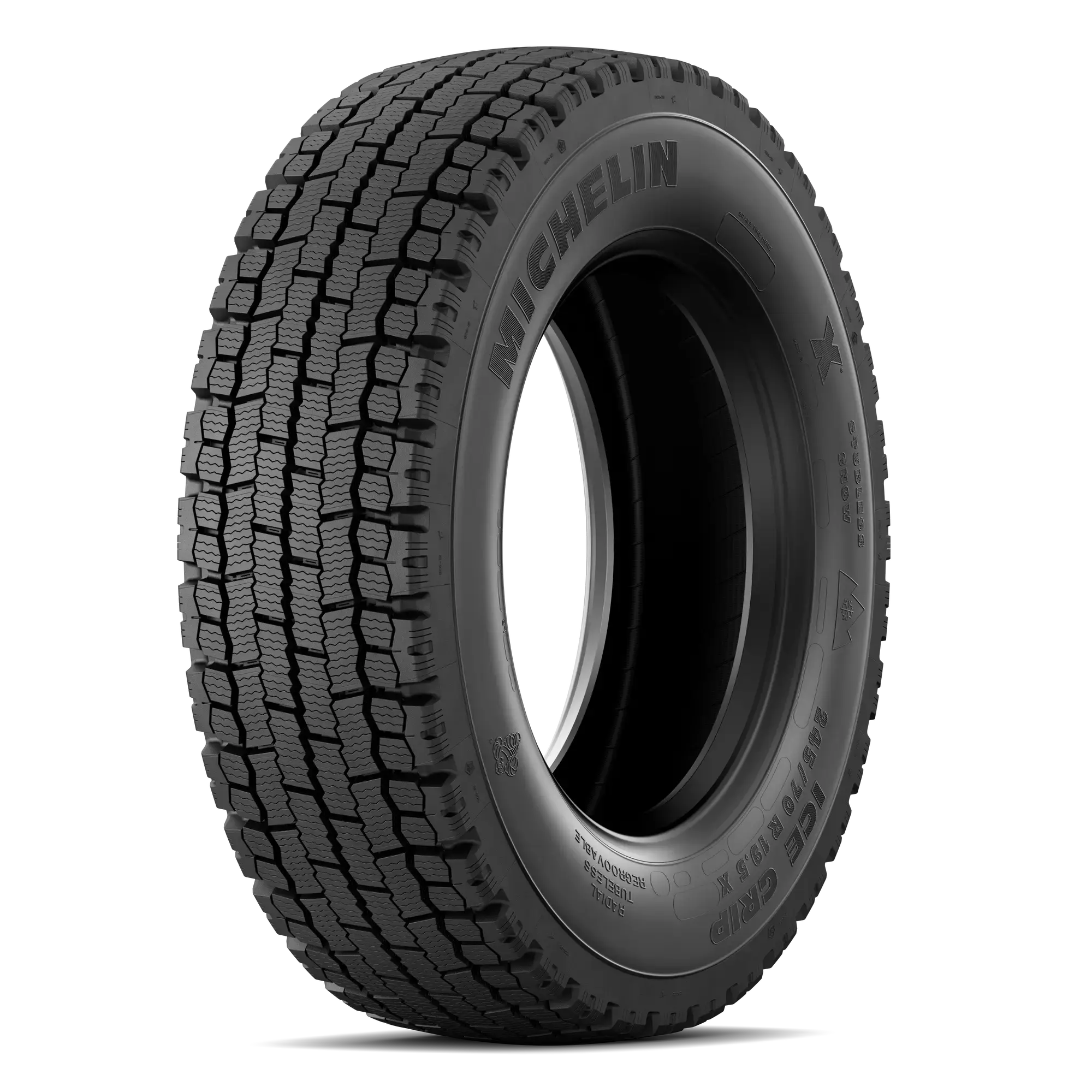
- Traction even in severe winter conditions
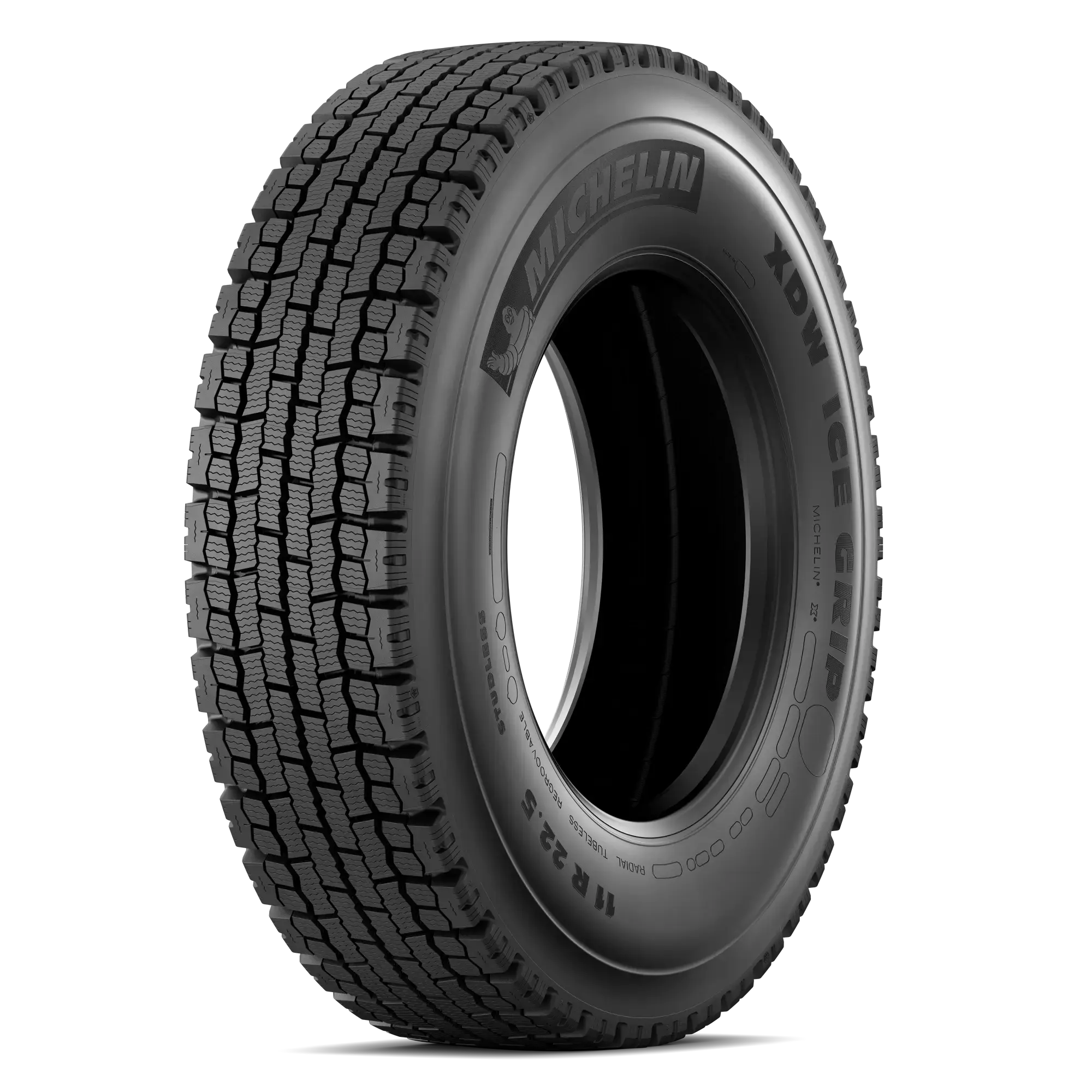
- Traction even in severe winter conditions
- Robust and effective in a wide range of conditions
- Versatility and longevity in all climatic conditions
Fleet Management Solutions for Transport and Logistics companies.
Discover solutions for box trucks
Truck: Advanced cost control and productivity solution, designed to run cost effective and efficient job planning and master your fleet management.
Trailer: Management solution with great depth of analysis for advanced cost control, safety and optimisation of trailers utilisation.
Frequently asked questions
About box truck tyres
Get an answer to your question
The choice of a tyre must comply with the law and the recommendations of the vehicle or tyre manufacturer, or of an official body (size, load index and speed rating, structure, etc.).
The conditions in which the tyre is used must be taken into account to ensure that its performance meets hauliers’ expectations.
If changes are made to an original vehicle component, you should check that the proposed solution complies with current legislation and the manufacturer's requirements and recommendations see the regulations in force in the country. In some countries, the modified vehicle must receive an administrative approval.
Any tyre that is second-hand, used or has been involved in an accident must, prior to fitting, be checked carefully by a professional to ensure the safety of the user and compliance with current regulations (see Best practice for tyre fitting and inflation).
It is important to use the pressure recommended by the manufacturer to avoid over-inflation or under-inflation.
Over-inflation can lead to premature tire wear in the center of the tread.
Under-inflation can lead to premature tyre wear in the shoulder area. It reduces grip qualities.
The pressure has been optimally defined by the manufacturer for the vehicle/tyre combination. All performances have been checked by the manufacturer with one clear objective: your safety. That's why it's essential to check the pressure recommended by the manufacturer for your vehicle. It is generally indicated:On a sticker in your driver's side door,
In the fuel filler flap,
Or in the vehicle manual.
The recommended pressure for your front and rear tyres may be different. You will also see that two types of pressure are indicated:
Normalized pressure: this is the standard pressure
Loaded pressure: to be used when the vehicle is particularly loaded.
The pressure is indicated in the pressure unit used in your country: in BAR or in PSI (1 bar = 14.50 psi).