How to avoid a bus tyre puncture
Trafficlights in the city at night time. Urban road view with blurred bus
How to avoid a bus tyre puncture
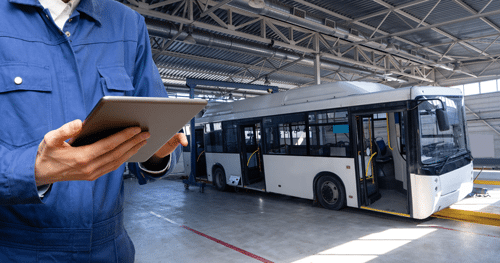
Preventing a bus tyre puncture is crucial for ensuring passenger safety, avoiding costly delays, and maintaining vehicle efficiency. Tyre issues don’t just disrupt schedules, they can lead to hazardous situations and significantly shorten the lifespan of a bus tyre. This guide outlines essential strategies for prevention and what to do if a bus tyre puncture occurs.
SUMMARY
Understand the risks of improper tyre inflation pressure.
Maintaining correct tyre inflation pressures are the first and most critical step in preventing a bus tyre puncture.
Under-inflated bus tyres
Tyres with insufficient pressure are likely to overheat during operation, particularly on long-distance routes or in hot weather conditions. This overheating can weaken the tyre's structure and make it vulnerable to a rapid loss of pressure, sometimes referred to as a ‘blowout’.
Over-inflated bus tyres
Conversely, over-inflation causes uneven wear patterns. This can leave certain areas of the tyre more vulnerable to damage from road debris, increasing the risk of punctures.
Bus fleets should implement a routine for checking tyre inflation pressures, either manually using a pressure gauge or through an on-board TPMS (Tyre Pressure Monitoring System). This technology, now widely available, offers real-time alerts to drivers or fleet managers about deviations from the recommended levels, helping to address issues before they result in a costly roadside tyre failure.
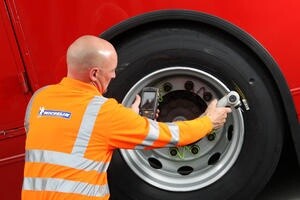
Make regular inspections to prevent bus tyre punctures (with or without TPMS)
Make regular inspections to prevent tyre punctures
Routine inspections are vital for catching potential issues early. Tyres may appear to be in good condition at first glance, but embedded objects such as nails or shards of discarded materials, such as broken glass, can slowly work their way deeper, eventually causing a puncture.
It is good practice to carry out visual inspections before each journey. This quick process involves looking for visible damage, checking for foreign objects and ensuring that the tyres are not visibly deflated.
Routine inspections are vital for catching potential bus tyres issues early.
In addition, tyres should be carefully inspected by a professional at regular intervals, for example every two or three months, depending on how intensively the bus is used.
Urban buses, for example, make frequent stops and are therefore at greater risk of impacts with road hazards such as kerbs. This type of contact has the potential to cause sidewall damage, meaning inspections on vehicles should ideally be more frequent. In such cases, it is particularly important to ensure that at no time casing plies are visible through the rubber – a clear sign that a tyre needs to be withdrawn from service immediately, before it results in either a slow puncture or sudden failure
Invest in advanced prevention tools
Modern technology has made preventing bus tyre punctures more manageable than ever.
Automated detection tools such as MICHELIN QuickScan provide instant tyre inflation pressure readings and can even detect irregular wear patterns. This advance technology works in all weather conditions and relies on pressure sensing slabs which buses drive over as they enter or leave the depot.
Other innovations include TPMS, which consist of integrated tyre sensors that monitor inflation pressures in real time.
ted.
These sensors can be linked to fleet management systems, enabling operators to identify trends and take preventive action. For example, if a particular bus consistently shows lower-than-average pressure, the system can flag it for immediate servicing.
Such proactive measures not only prevent punctures but also enhance overall operational efficiency by reducing unplanned downtime.
Optimise tyre maintenance
Maintenance is at the heart of bus tyre longevity. A poorly maintained tyre is far more likely to fail, leading to costly replacements or repairs.
Key practices in tyre maintenance include:
1. Tyre rotation: Regularly rotating tyres ensures even wear. Buses experience uneven wear on certain tyres due to repetitive turns and stops.
2. Retreading: This process involves adding a new layer of tread to a worn tyre casing, extending its life and reducing waste. Retreading is an eco-friendly and cost-effective option for bus fleets.
3. Turning on the rim: For tyres showing uneven wear, flipping them on their rims can help balance the wear, allowing the less-worn side to take over.
Equip your fleet with reinforced tyres
Urban buses face unique challenges, such as frequent stops, sharp turns and kerbside parking. These conditions often result in tyre sidewall damage from repeated impacts with the kerb, a leading cause of bus tyre punctures.
Reinforced urban tyres, such as MICHELIN X® INCITY, are specially designed to withstand these stresses.
With thicker sidewalls and stronger construction, they are more resistant to damage from external forces and are even manufactured with handy sidewall wear indicators which highlight when a tyre needs to be rotated.
This feature helps drivers, fleet managers and tyre technicians to maximise both tyre longevity and acceptance rates for retreading.
MICHELIN X® INCITY specially designed for city buses has reinforced sidewalls
Fleet managers should prioritise reinforced tyres for buses operating in cities or on routes with frequent stops. While they may be slightly more expensive upfront, the long-term savings in reduced tyre damage and downtime make them a worthwhile investment.
Educate drivers to conduct daily checks
Drivers play a crucial role in preventing tyre-related issues.
Simple pre-departure checks can identify potential problems such as embedded foreign objects, visible cracks or bulging sidewalls. These checks are quick and can save significant time and money by preventing a bus tyre puncture on the road.
What to do in the event of a bus tyre puncture?
Even with the best precautions, no system is 100% foolproof. It is therefore important to have a solid emergency plan in case of a bus tyre puncture to minimise disruptions.
MICHELIN ONCall is a service that offers rapid roadside assistance in Europe, reducing downtime and ensuring passenger safety.
Key benefits include:
● Fixed costs: Fleet managers know exactly what they will pay, avoiding unexpected expenses.
● Quick response times: Assistance is dispatched promptly, ensuring minimal delays.
● A network of more than 3000 professionals.
Having such services in place reassures both drivers and passengers that help is always at hand.
Other articles that may interest you:
Need more advice? Discover our buses and coaches tyres guide