Fuel economy
Up to -1.1 L/100 km(1)
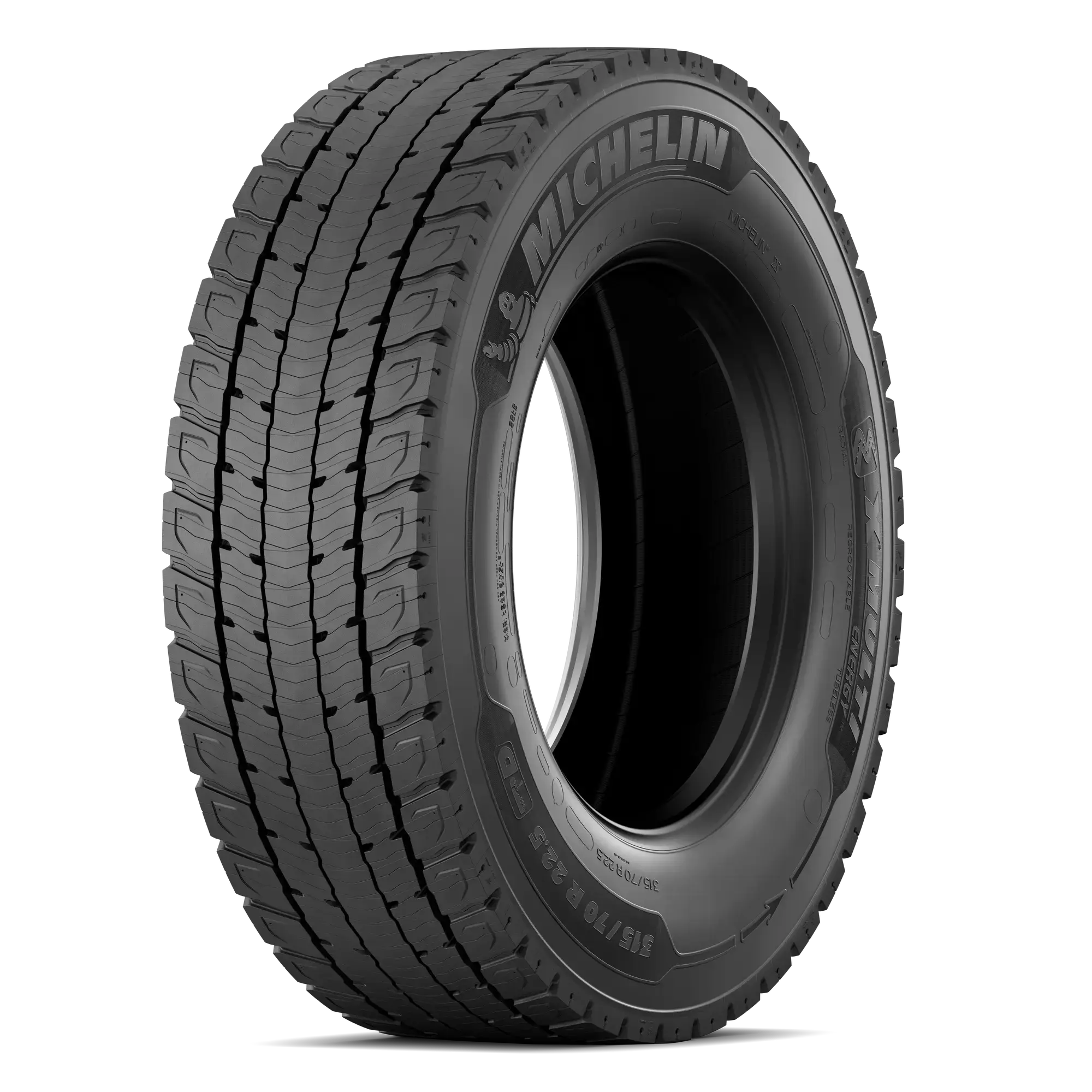

School bus (Type C/D)Standard truck tractor (<=19T)CoachHeavy duty truck tractor (>19T)Activity bus (Type A/B)Medium-duty fire truck (4.5-16t, urban)Standard rigid truck (<=12t)
Long distance transportRegional transportUrban transport
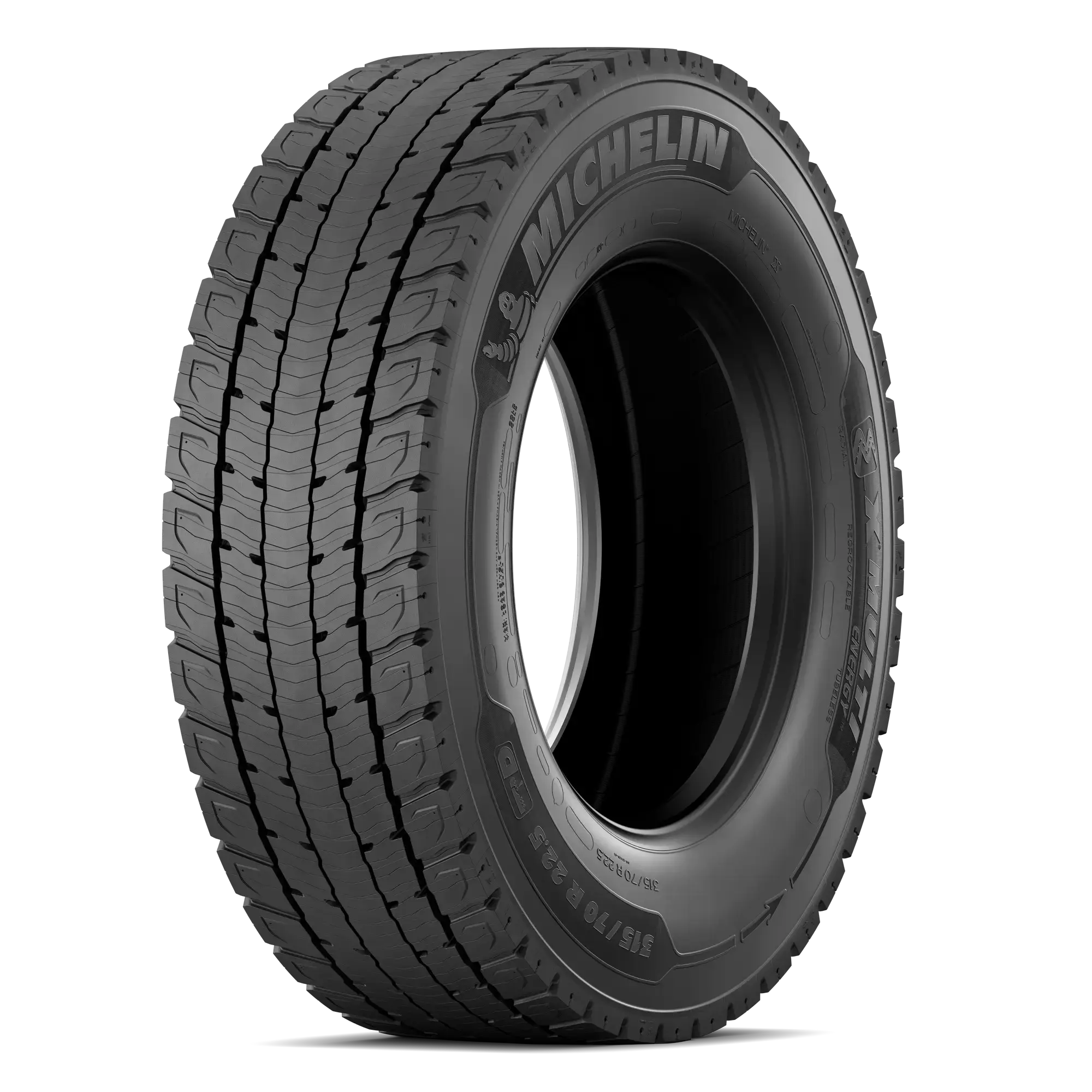
All sizes available
295/80R22.5 LRH 154/150L VB TL
315/70R22.5 154/150L VQ TL
315/80R22.5 156/150L VC TL
315/80R22.5 18PR LRJ 156/150L VQ TL
Select the quantity of Product's tyre size(s) you want and click on “Add to quote” to go to quote request next steps
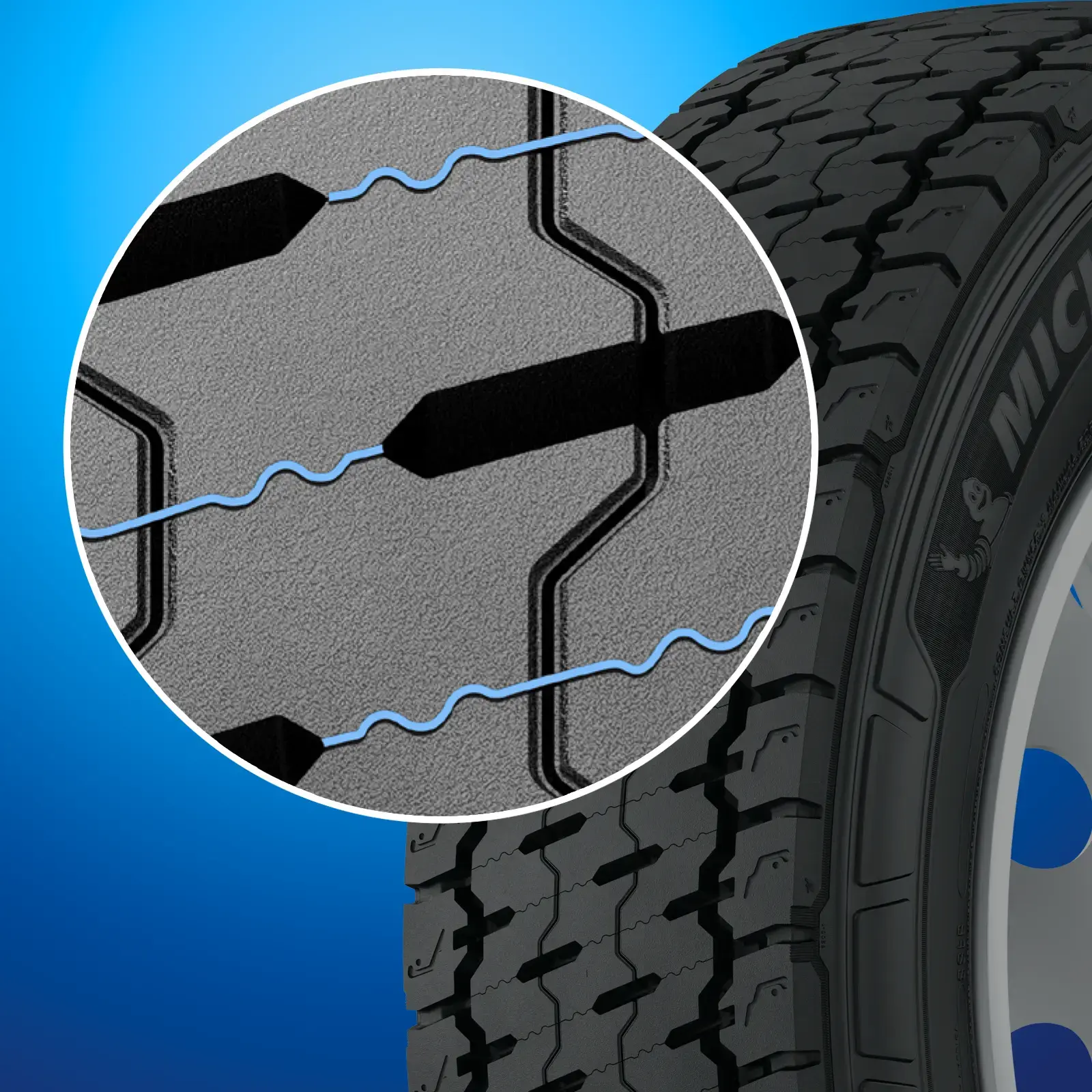
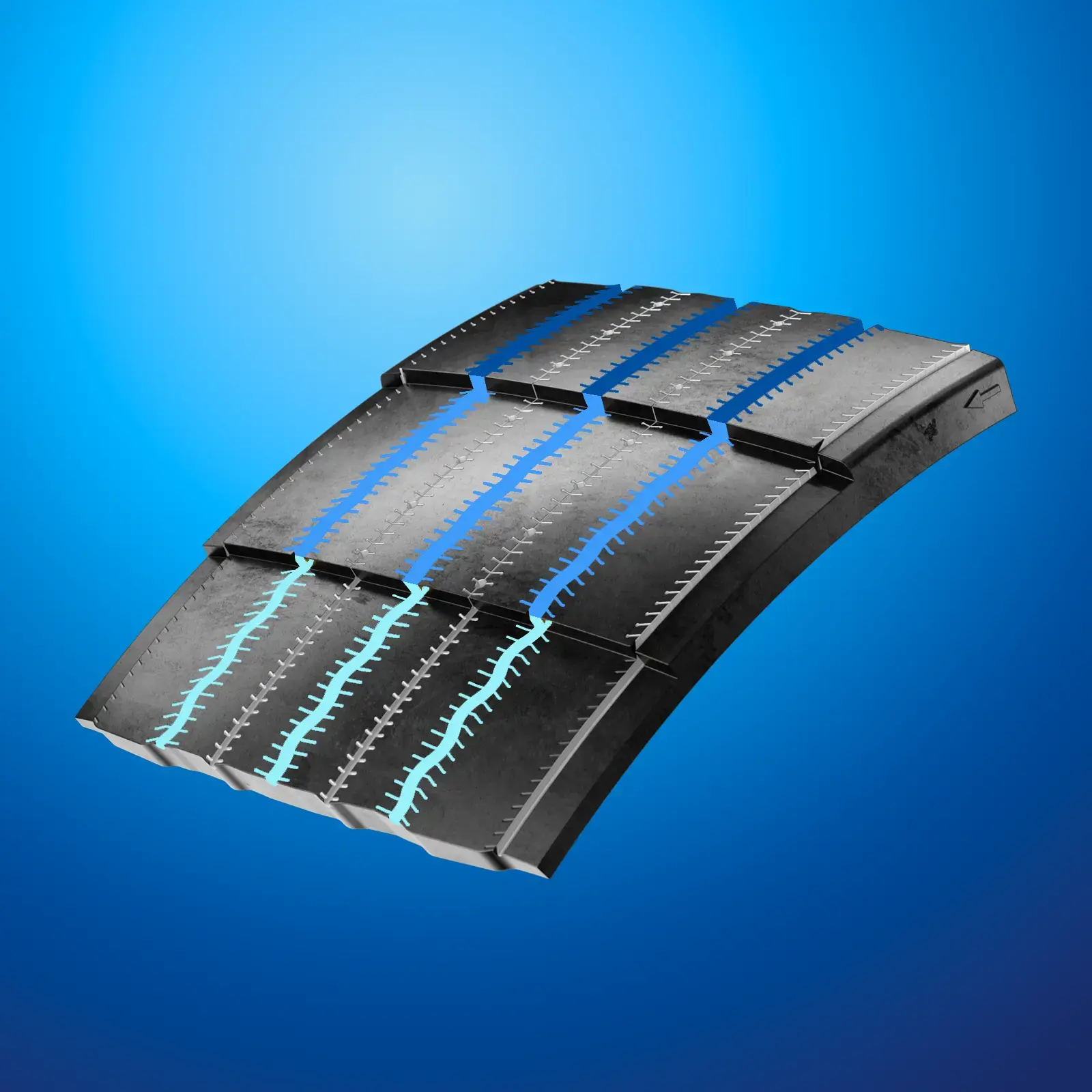

For improved wet and snow traction, sipes provide hundreds of biting edges. The sipes lock together when in contact with the road, adding strength and improving wear for longer-lasting performance.
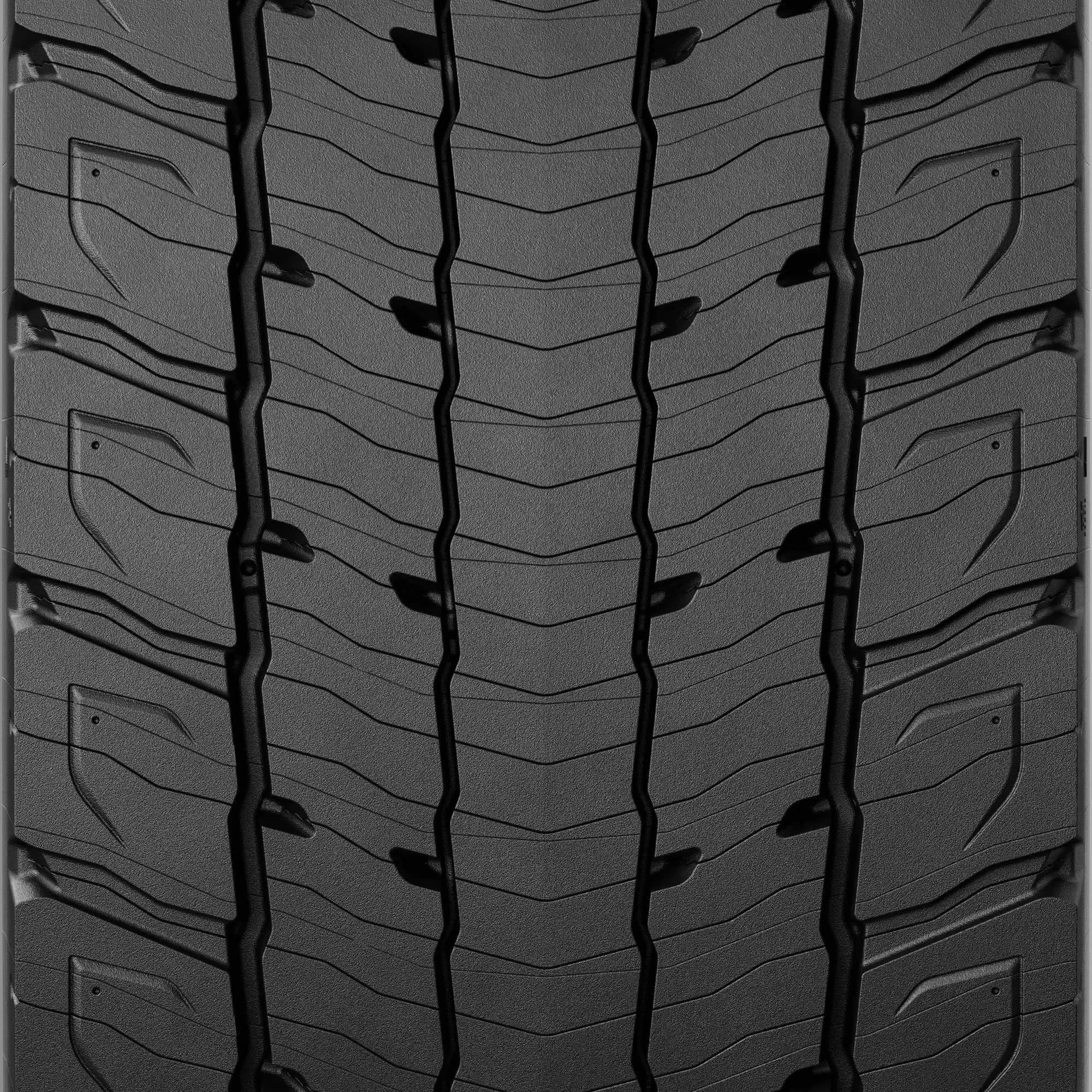
Self-regenerating tread blocks, supported by our mould 3D metal printing techniques, providing grip throughout the tyres lifetime. New grooves emerge over the tyres life for enhanced mobility. In 2018, the two Michelin engineers behind REGENION technology won the European inventor award in the industry category.
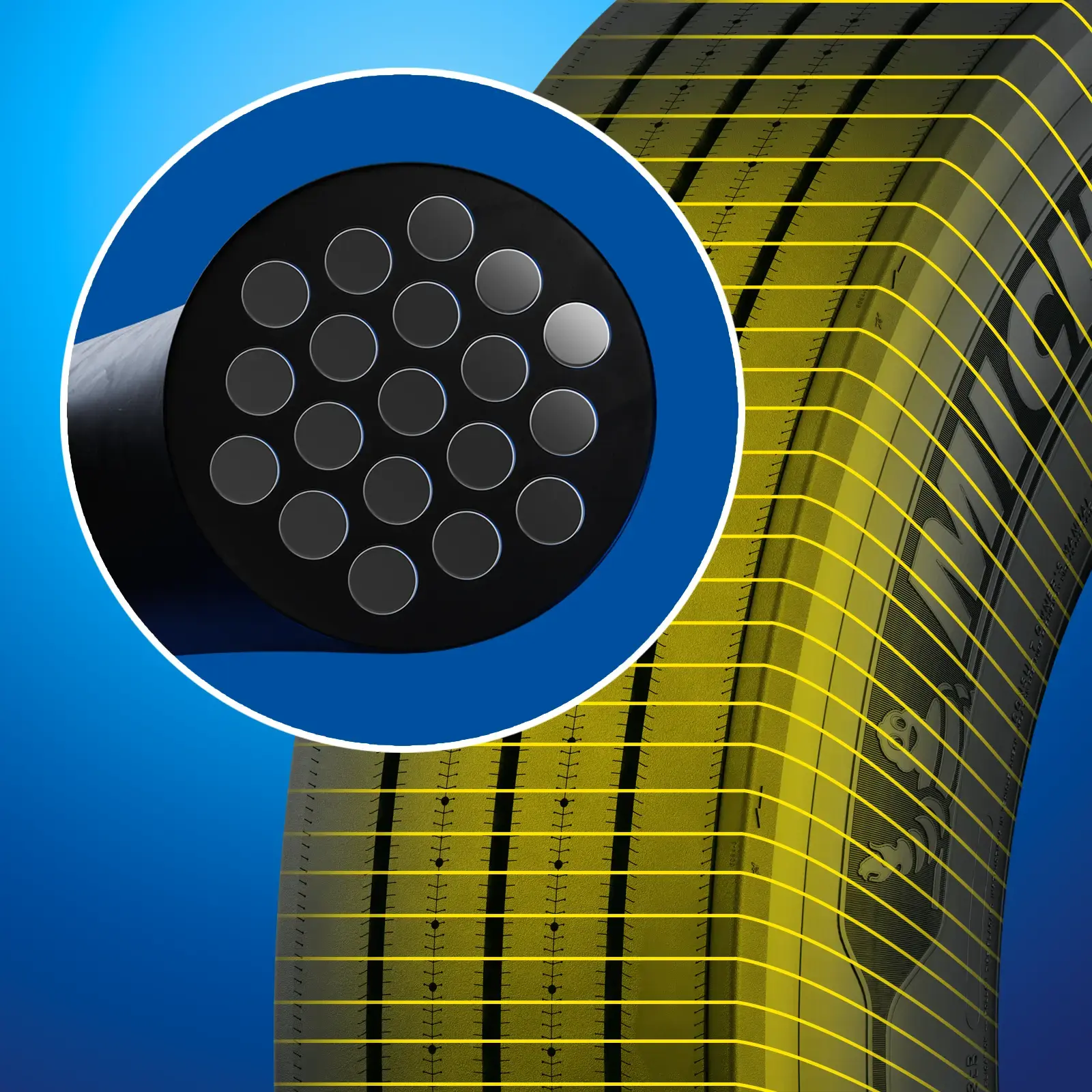
Introduction of continuous steel belt, the length of which is up to 400m, wrapped around the tyre to provide it with greater stability throughout its lifetime. This technology, associated with others, allows a lead in performance in, endurance, wear pattern and retreadability.
A new generation of robust steel casing cables which help to make each tyre lighter, leading to better endurance and reduced rolling resistance.
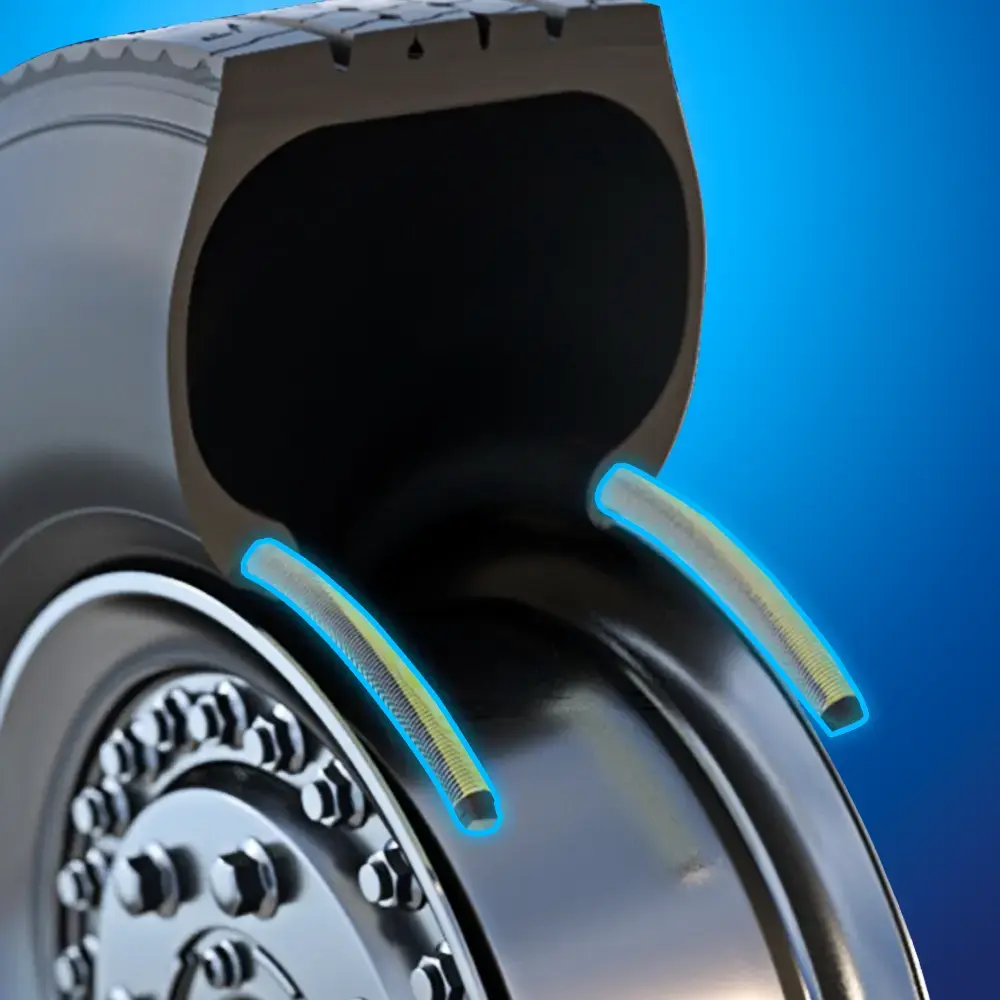
We manufacture high quality products that last longer. Duracoil helps the casing to last longer by improving the tyre/wheel interface. Whilst in service, high quality nylon protects the bead area and provides improved stability for the bead toe. With this reinforcement, casing endurance and retreadability is improved.
Calculate the benefits of Michelin tyres for your business with one of our calculation simulators. From fuel savings to environmental impacts, discover all the advantages of Michelin products and their multiple benefits.
Michelin For My Business is a free blog entirely dedicated to the transport community! You’ll find useful and inspiring stories, articles, podcasts, videos, webinars and practical guides. Join the community!
(1) -1.1 L/100 km and -2.84 kg CO2/100 km for 315/70 R 22.5 MICHELIN X® MULTI™ ENERGY™ Z & D vs 315/70 R 22.5 MICHELIN X® MULTI™ Z & D; -0.7 L/100 km and -1.8 kg CO2/100 km for 315/80 R 22.5 MICHELIN X® MULTI™ ENERGY™ Z & D vs 315/80 R 22.5 MICHELIN X® MULTI™ Z & D. -0.8 L /100 km and -2.2 kg CO2/100 km for 295/80 R 22.5 MICHELIN X® MULTI™ ENERGY™ Z & D vs 295/80 R 22.5 MICHELIN X® MULTIWAY™ 3D XZE/XDE; -0.4 L/100 km and -1.1 kg CO2/100 km for 295/80 R 22.5 MICHELIN X® MULTI™ ENERGY™ Z & D vs MICHELIN XZA2®/XDA2+® ENERGY. Certified value using VECTO calculation tool comparing fuel consumption and CO2 emissions of standard tractor unit 4x2 + semi-trailer 3 axles (with neutralisation of Semi-Trailer effect) in regional usage (50%) and long haul usage (50%), with standard reference load.
(2) Michelin's commitment to net-zero emissions*, under the SBTi Corporate Net-Zero Standard*, means reducing CO2 emissions from its own operations and those of its value chain by 90% and preparing for the longer-term capture and permanent storage of a volume of CO2 equivalent to the residual emissions each year. * Michelin aims to achieve net-zero emissions by 2050 for Scopes 1, 2 and 3, with the priority initially being to reduce emissions from all its production facilities, its transport operations and its raw materials and component supply chain. In July 2021, Michelin joined the "Race to Zero" campaign and made a commitment supported by the international consortium Science Based Targets initiative (SBTi), the United Nations Global Compact and We Mean Business to set short-term (between 2024 and 2034) and long-term (between 2035 and 2050) reduction targets for all three Scopes, excluding the use phase, and to neutralise residual emissions each year in order to achieve net-zero emissions no later than 2050. The 3 scopes are defined in the Greenhouse Gas Protocol (see https://ghgprotocol.org/).