How to avoid a flat truck tyre?
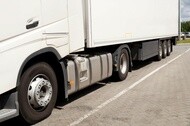
View of the lower part of the 18 wheeled truck.
How to avoid a flat truck tyre?
The financial impact of a flat truck tyre is significant ౼ from roadside assistance, unplanned downtime, late penalties, extra wages and even harm to a company’s reputation. Add it all up and you’ve got a hefty bill! Given these risks, preventing a flat truck tyre is not just about convenience; it’s a crucial investment in safety, efficiency and financial stability.
In this article, we’ll review three key tips for preventing a flat truck tyre.
SUMMARY:
Tip 1: Consistently check tyre pressure to prevent a flat truck tyre
The impact of incorrect tyre pressure
In the UK, 86% (1) of vehicles involved in accidents have incorrect tyre pressure.
- Underinflated tyres create excessive friction, leading to overheating, reduced road contact (by up to 50% (2)), lower mileage and higher fuel consumption.
- Overinflated tyres become too rigid (3), increasing risk of damage and reducing overall lifespan.
Regular checks prevent truck flat tyres
Routine tyre pressure checks by drivers, service providers or automated systems are essential.
To check if a tire is flat or losing pressure, drivers should perform a few essential checks daily:
- First, visually inspect the tires for any obvious signs of deflation, such as sagging or a bulging sidewall. Don't forget to examine the valve stem for any cracks, damage, or wear, a damaged valve stem can lead to air leaks.
- Another useful practice is to listen for hissing sounds when the truck is parked, which could indicate a slow leak.
- Be aware of any vibration or unusual handling while driving, as these can also signify tire issues. Regular attention to these signs can help prevent flat tires and ensure safer journeys.

Regular pressure check prevent truck flat tyres
- At least each months, monitor tire pressure using a reliable tire pressure gauge; this should be done when the tires are cold for the most accurate reading. A flat tire typically shows a pressure significantly lower than the manufacturer's recommended levels.
Get smart and say goodbye to truck flat tyres
Proactive smart monitoring solutions like MICHELIN’s Tyre Pressure Monitoring System (TPMS), part of Michelin Connected Fleet, provides real-time alerts for under- or overinflation, enhancing safety, optimising costs and preventing flat truck tyres.
Meanwhile, MICHELIN’s MyTechXpert smartphone app offers tailored recommendations and step by step inflation guidance for optimal tyre performance (4).
Did you know:
The pressure should be checked 24 hours after a tyre has been fitted and must not have reduced by more than 5% of the original pressure.
Tip 2: Avoid flat truck tyres with regular inspection and proper storage
Look for cracks and wear
Regular tyre checks help prevent a flat truck tyre.
Cracks on the rubber sidewall indicate ageing and can be easily spotted.

Truck tyre cracks
High vs. low-usage vehicles
Frequently used vehicles wear out their tyres before ageing.
In contrast, low-usage vehicles and long-stored spares are more prone to rubber degradation. If you notice visible cracks, replace or inspect the tyre immediately.
Pay extra attention to older tyres
Tyres over 10 years old require frequent checks. Avoid using ageing tyres on the steering axle, as a front-tyre blowout is far more dangerous than a rear-tyre failure.
Did you know…
The last two digits of the DOT code on the tyre’s sidewall indicate the year it was produced.
Store truck tyres properly
Proper tyre storage is just as important as regular inspections. It's recommended storing spare tyres:
- In well-ventilated areas
- Away from direct sunlight
- Far from chemicals, metal or wood objects
- Away from heat sources and electric motors
For short term storage (up to 4 weeks) tyres can be stacked horizontally, one on top of the other, on wooden pallets. The height of the stack should not exceed 1.2 metres. After 4 weeks, the tyres should be reversed in the stack. When fitted on rims, tyres should be stored inflated in an upright position or in a single layer on shelf racks.
For long term storage, tyres should be stored upright in a single layer on shelf racks with at least 10 cm clearance above the floor. To avoid deformation, it is advisable to rotate (reverse the order of the tyres in the stack) them once a month.
Watch for warning signs
Routine inspections help prevent a flat truck tyre.
Look for:
- Abnormal wear
- Deformations
- Rim flange deterioration
- Leaky valves
- Unusual vehicle handling
- Signs of contamination – such as soft, sticky rubber or closing tread grooves
If any warning signs appear, consult a tyre specialist to assess and repair or replace the tyre as needed.
Key take away:
Discover the causes of abnormal tire wear and ways to remedy it in our technical guide. Download it for free here: 2025-technical truck-guide
Tip 3: Get ahead of a flat truck tyre with the right tyre and driving style
Choose the right tyres for the job
Trucks operate in varied environments, from motorways to construction sites.
Rugged tyres are great for construction sites, while low rolling resistance tyres improve fuel efficiency for long-haul transport. Fleet managers should match tyres to their specific use cases.
Choosing the right truck tyres reduces damage and blowout risks.
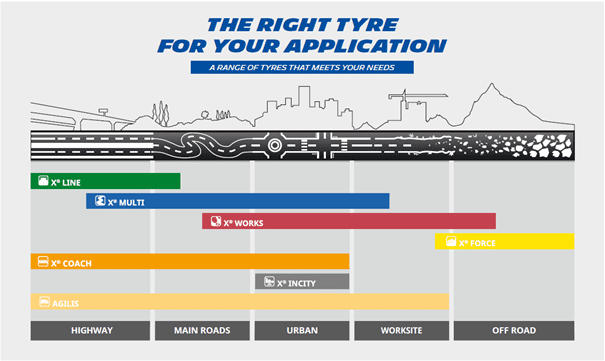
Right truck tyre according to your usage
Drive smart and reduce wear
Eco-driving techniques extend tyre life. Responsible driving style that avoids sudden acceleration, harsh braking, and sharp turns minimises stress and curb impact ౼ significantly reduce wear and the chances of a flat truck tyre.
Even with the best preventive maintenance, flat truck tyres can still happen. That’s why it’s essential for drivers to know how to stay safe at the roadside – chocking the wheels, securing the truck, following safety protocols and a contact to call for assistance.
Other articles to find out more:
Need more advice? Discover all MICHELIN truck tyre tips
(1) Road Web UK: https://www.roadweb.uk/incorrect-tyre-pressure-responsible-for-86-of-uk-road-accidents/?utm_
(2) Tyre Safe: https://www.tyresafe.org/tyre-safety-infographics/?utm_
(3) Reg Transfers: https://www.regtransfers.co.uk/content/all-about-flat-tyres?utm_
(4) Michelin Technical Brochure 2023. Pg. 93
(5) Michelin Technical Brochure 2023. Pg. 55
(6) Michelin Technical Brochure 2023. Pg. 51


